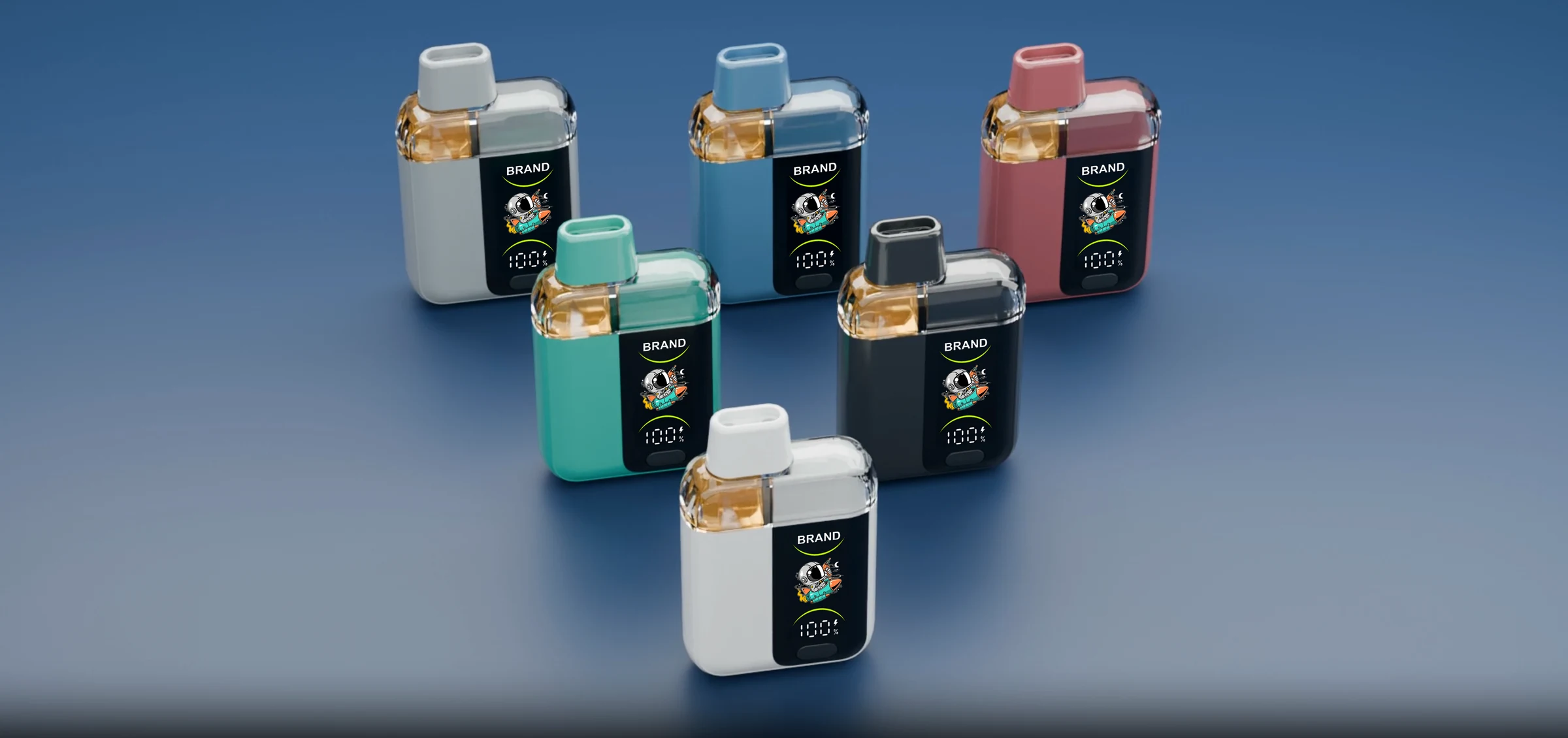
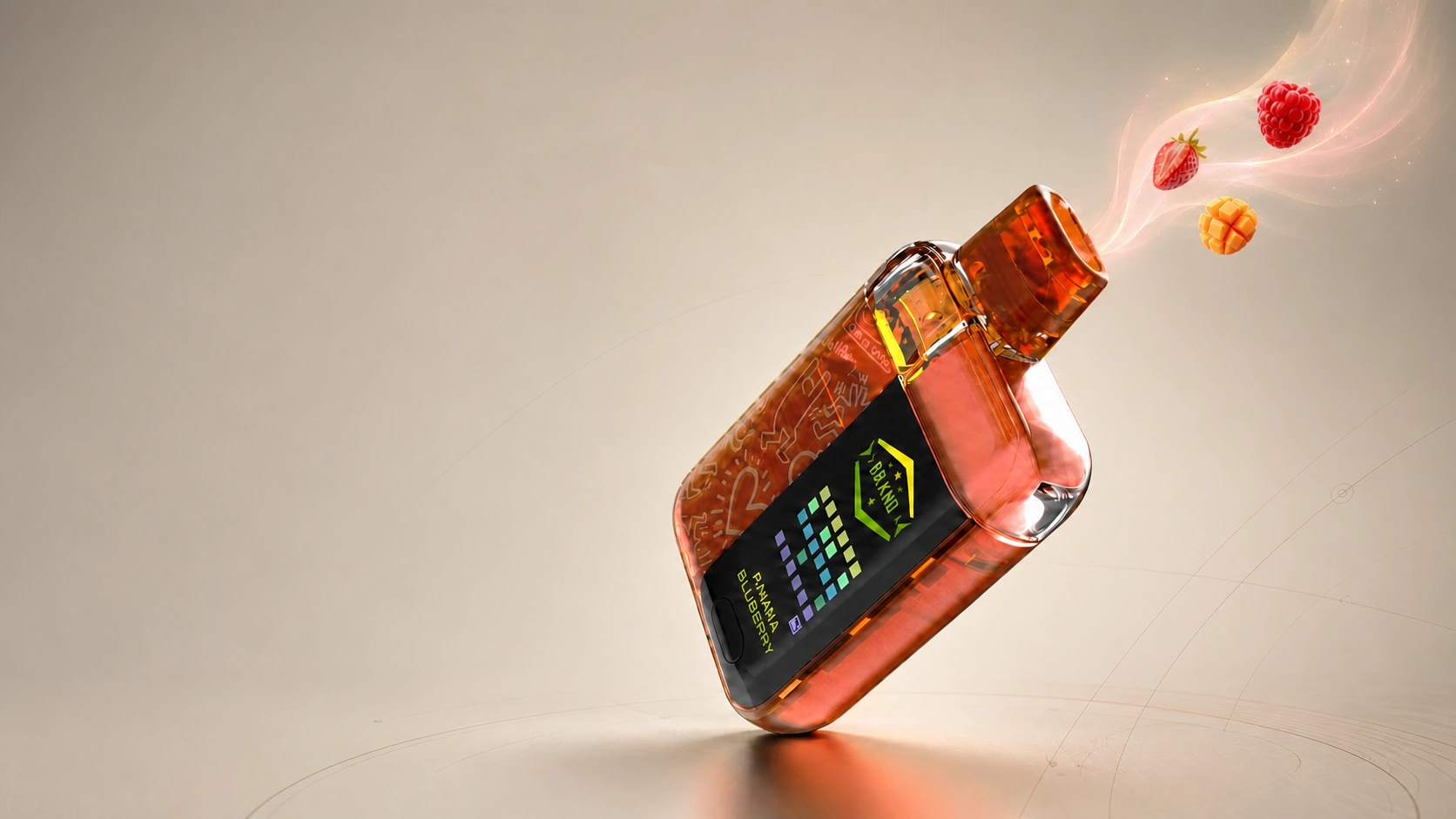
Compact all-in-one hardware for oil-fit evaluation, visible fill review and display-ready brand programs.
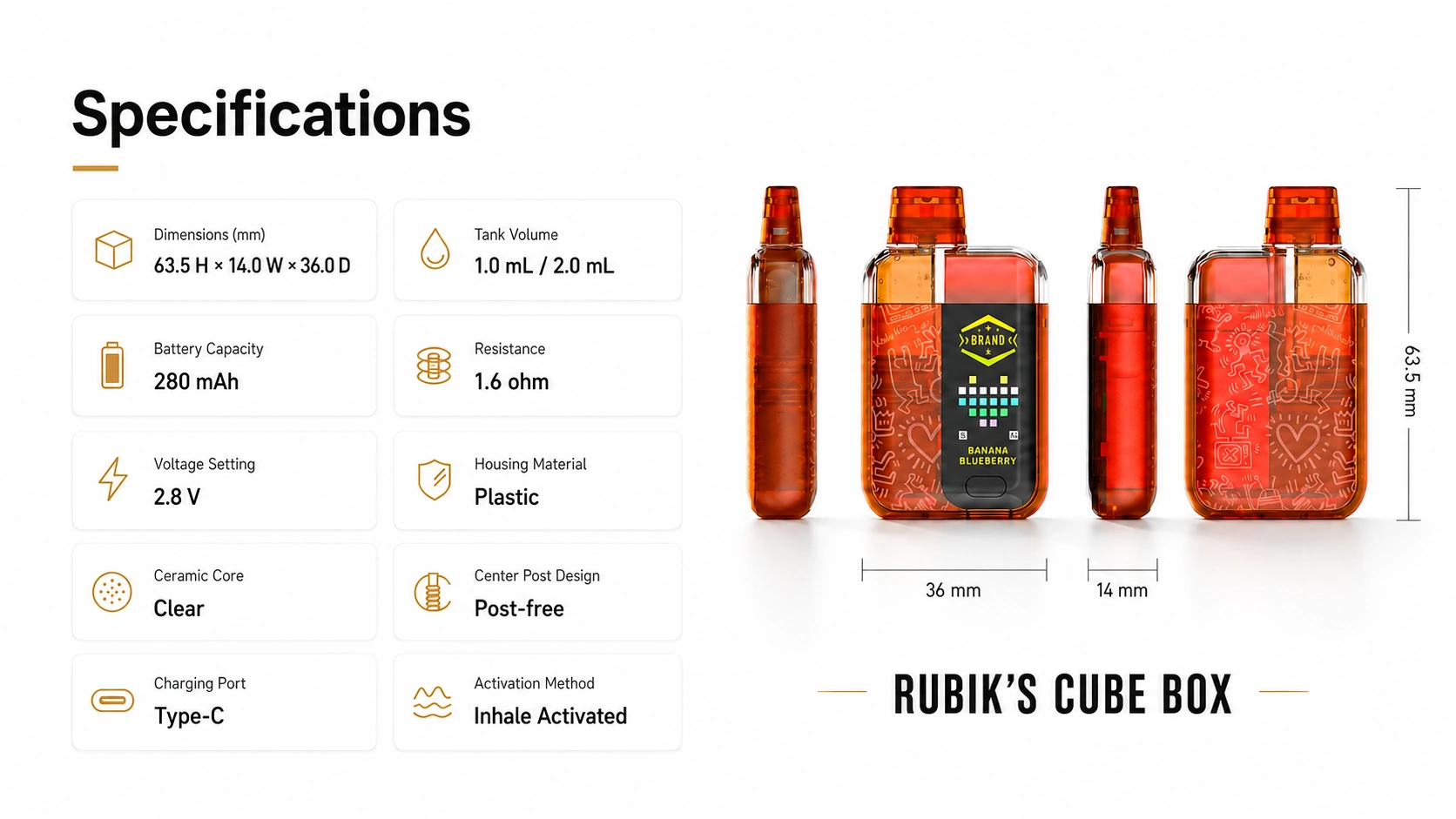
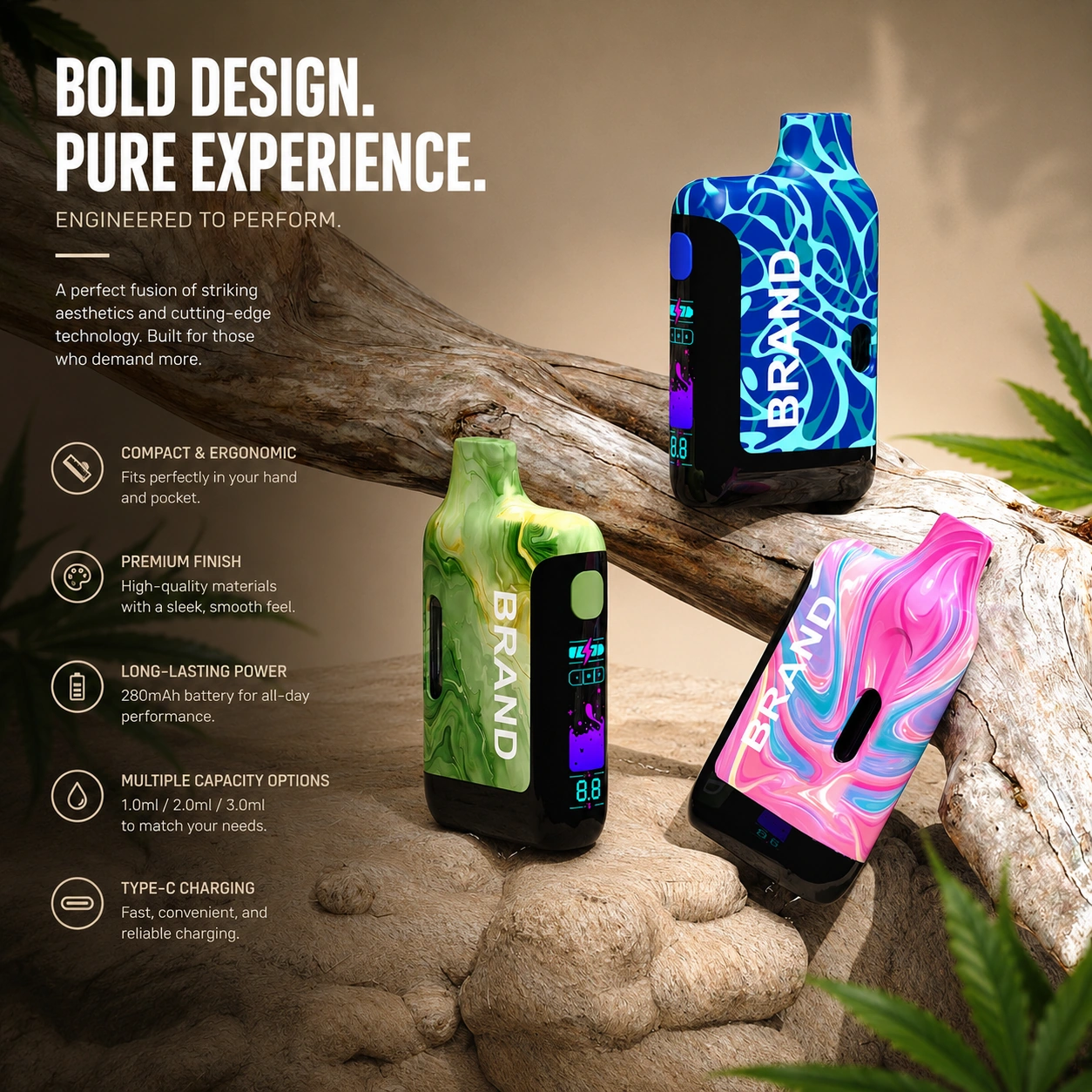
1.0 mL / 2.0 mL280 mAhPost-freeType-C
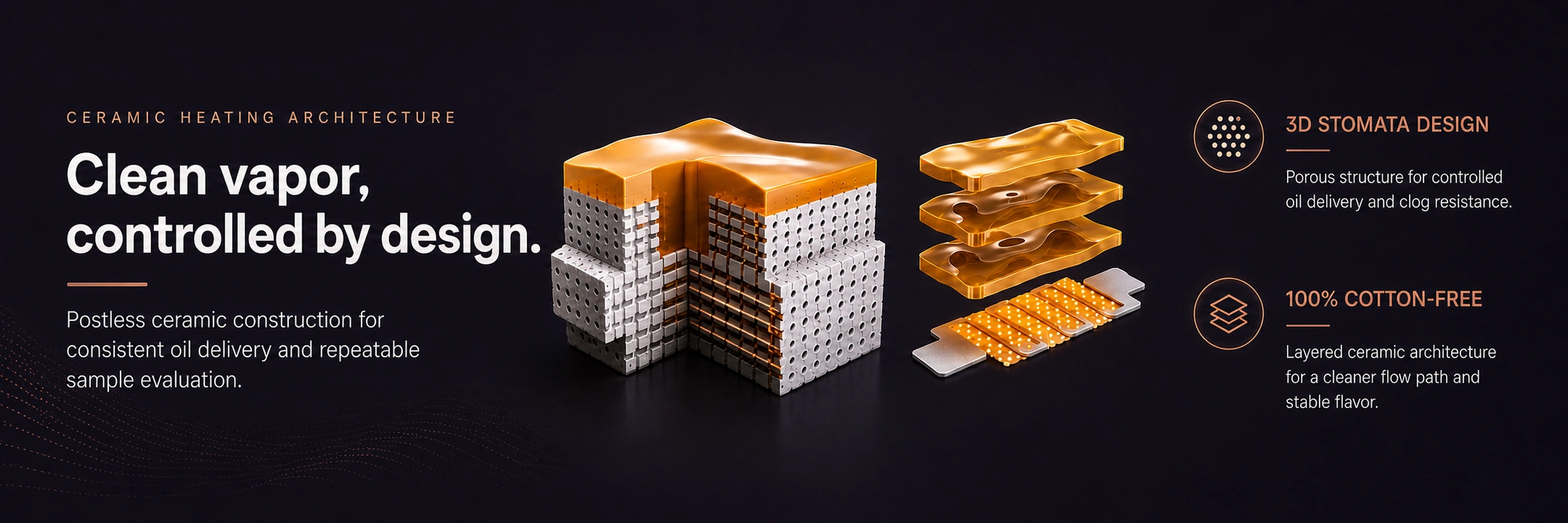
Ceramic Heating Architecture
Clean vapor, controlled by design.
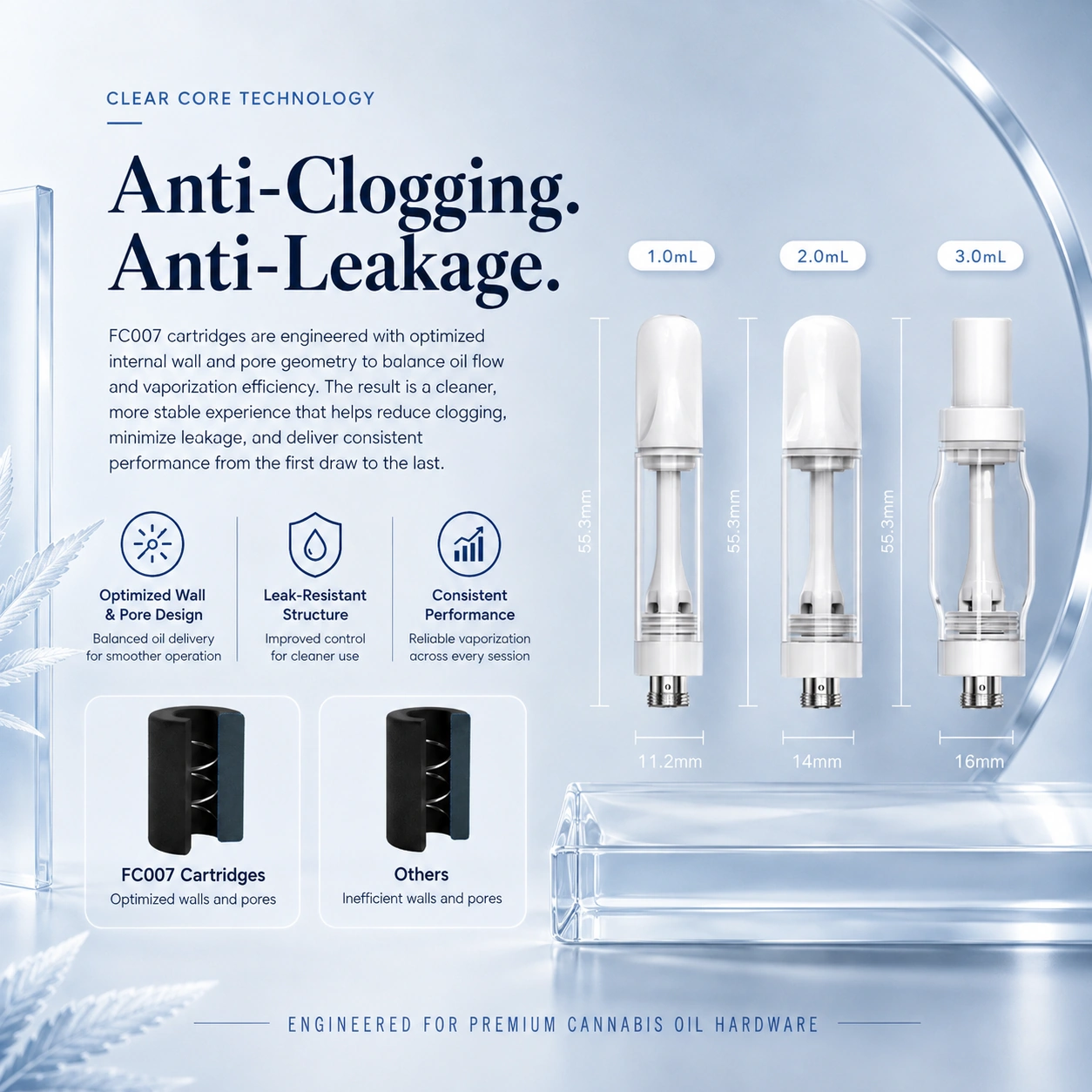
Postless ceramic construction for consistent oil delivery and repeatable sample evaluation.
3D Stomata Design Porous structure for controlled oil delivery and clog resistance.
100% Cotton-Free Layered ceramic architecture for a cleaner flow path and stable flavor.
Draw Experience
Clean draw activation.
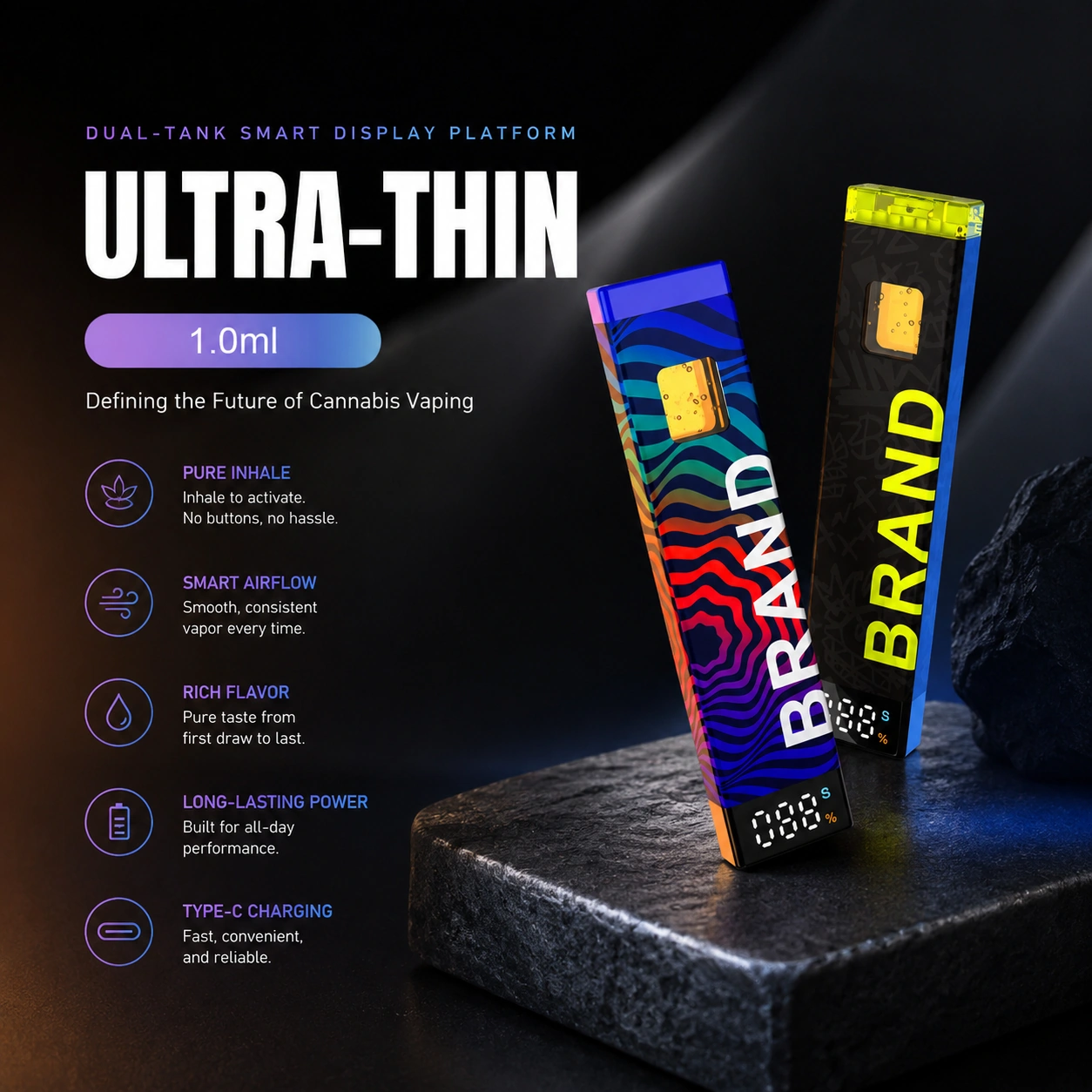
Inhale-activated AIO hardware keeps evaluation focused on vapor response, oil delivery consistency and simple everyday handling.
Brand-Ready Display
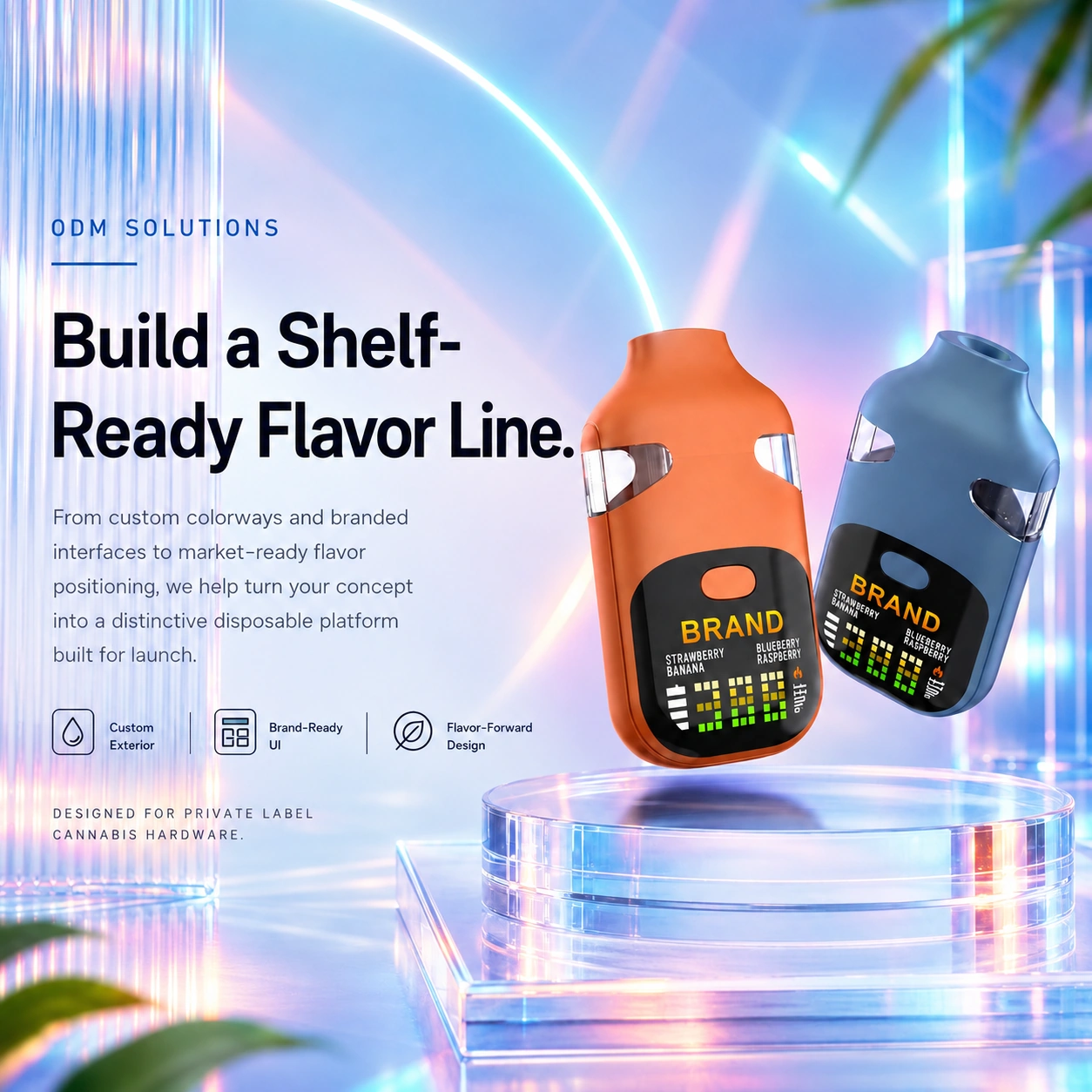
Your brand, built into the display.
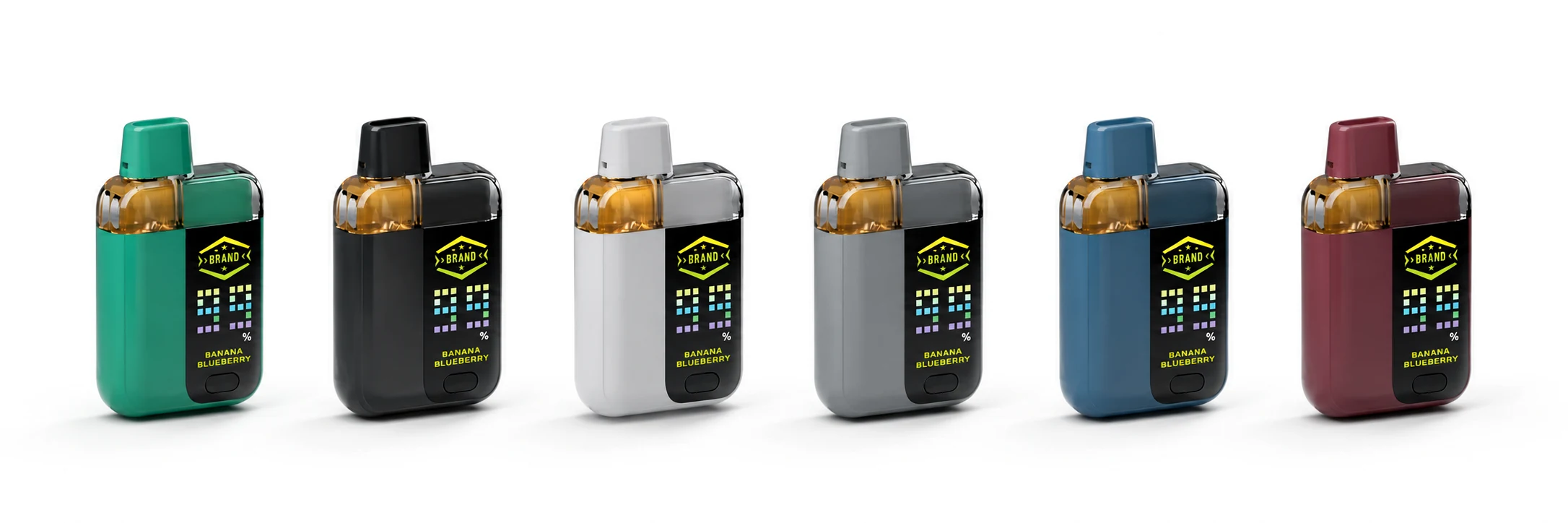
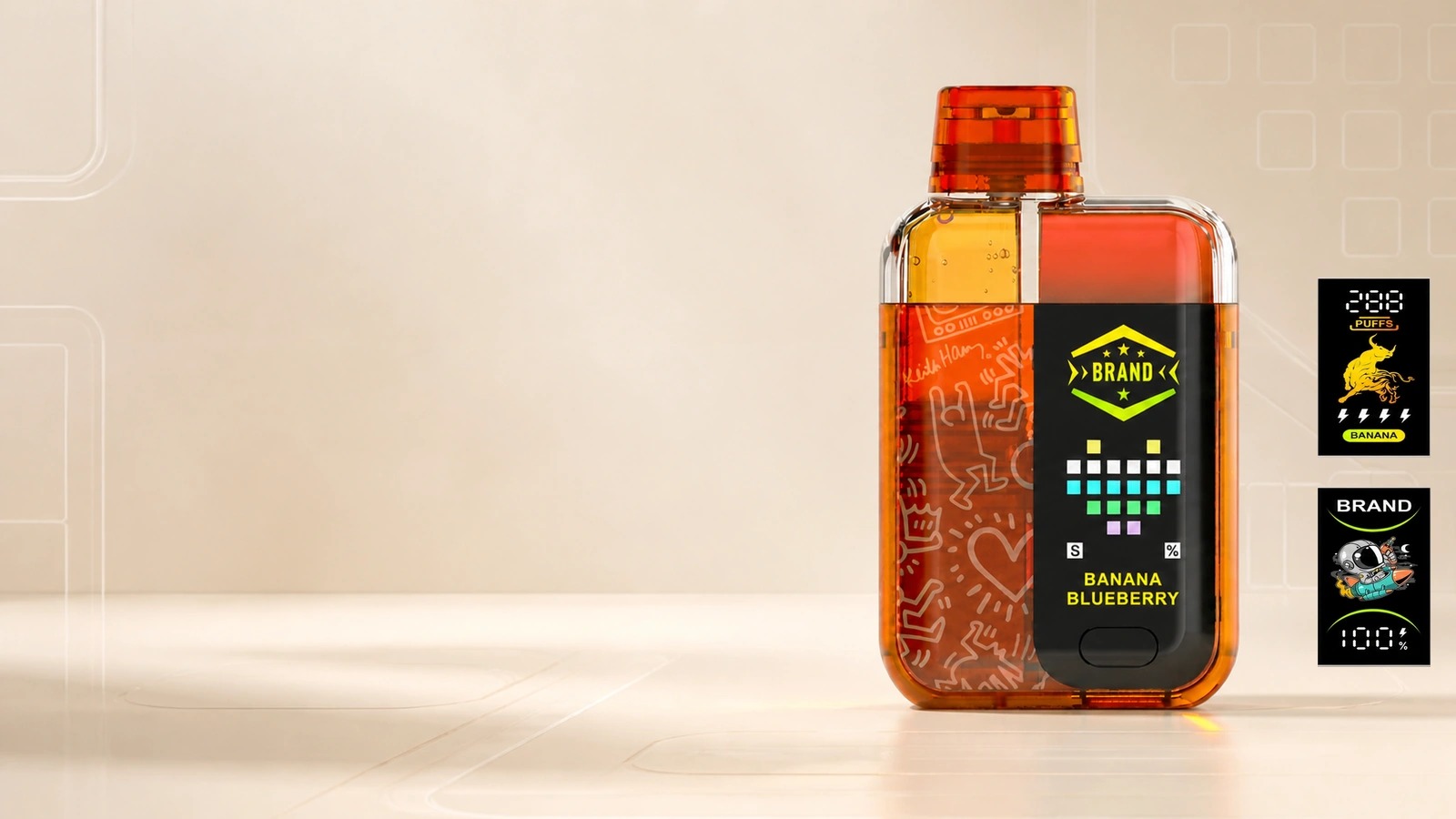
Screen content can be tailored to your program, from brand marks and flavor cues to battery and usage feedback. Keep the interface consistent from sample review through shelf-ready production.
Custom front displayBrand mark / flavor cue / status
Practical review points for oil compatibility, flavor stability, clog resistance and retail-ready sample approval.
01
Will this AIO help reduce clogging with thicker cannabis oils?
Rubik's Cube Box should be evaluated with the exact oil, fill volume and viscosity window planned for launch. Its cotton-free ceramic architecture and controlled oil path are designed for stable feeding, but clog resistance still depends on oil formulation, storage conditions, draw behavior and thermal profile.
02
How does it protect flavor through the final part of the fill?
Consumers often judge a disposable by late-stage flavor, harshness and whether the last draws taste burnt. Sample review should include repeated draw testing near low oil level so the brand can validate ceramic saturation, activation response and temperature behavior before production.
03
Is Rubik's Cube Box suitable for distillate, live resin or rosin?
The platform is best qualified oil by oil. Distillate is typically easier to feed, while live resin and rosin require closer review of viscosity, terpene load, waxes, lipids and residual particulates. Rosin compatibility should be treated as a system-level validation task, not only a coil or inlet-size decision.
04
What should brands test before approving a sample?
Review draw resistance, activation consistency, vapor output, leakage after storage, charging behavior, screen visibility, branding durability and oil performance after transport simulation. These are the details consumers usually notice first when deciding whether a hardware format feels reliable.
05
Can the display and box format support retail differentiation?
Yes. The compact box form and front display can support flavor cues, brand marks and simple status feedback. For launch approval, the display experience should be checked together with hand feel, pocketability, oil visibility and packaging direction so the device feels intentional rather than decorative.