
Review each oil path independently before approving a split-fill program.
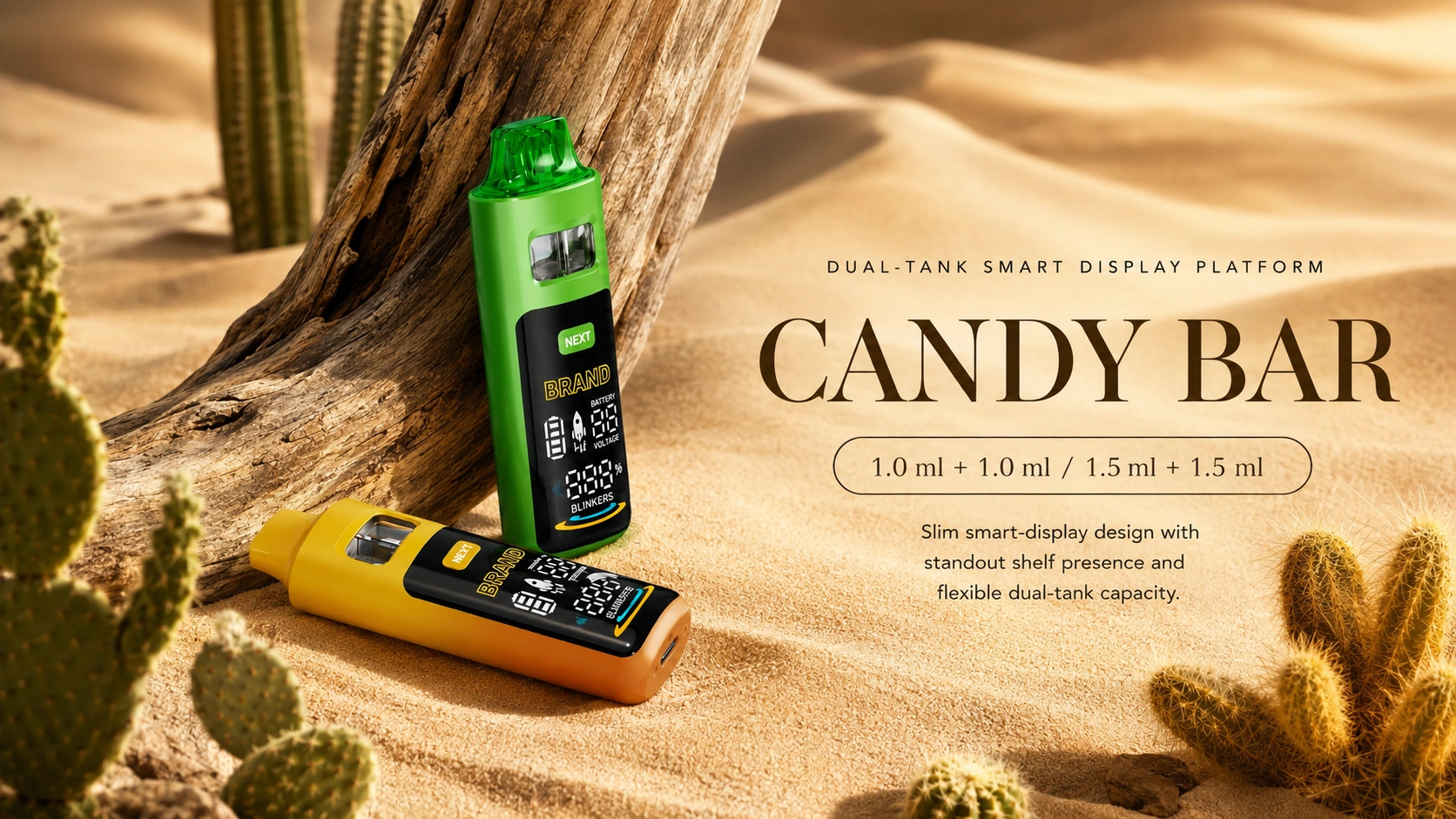
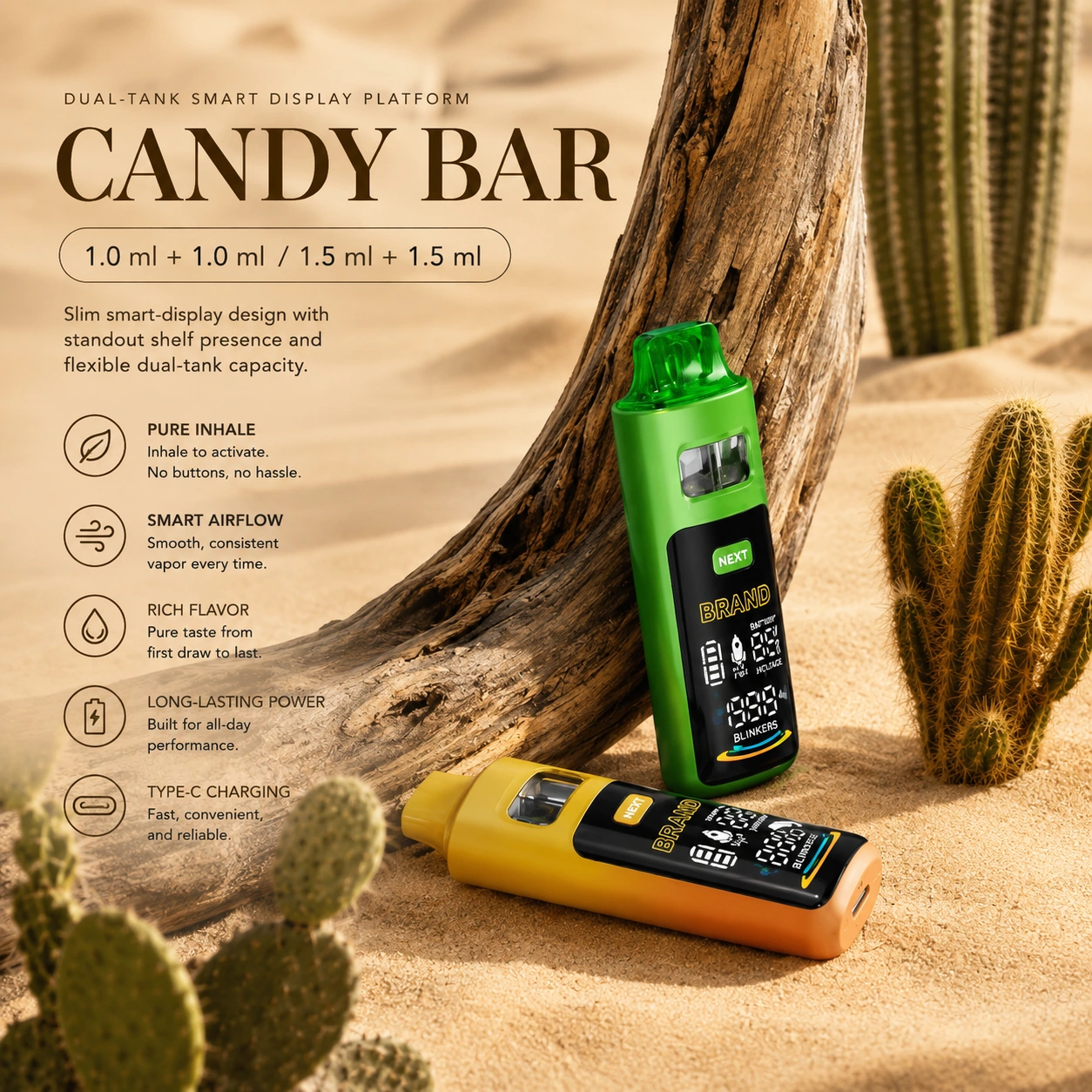
DUAL-TANK SMART DISPLAY PLATFORM
Two Tanks. One Brand Experience.
A dual-tank hardware platform built for differentiated formulations, immersive display design and premium shelf presence.
Smart Display
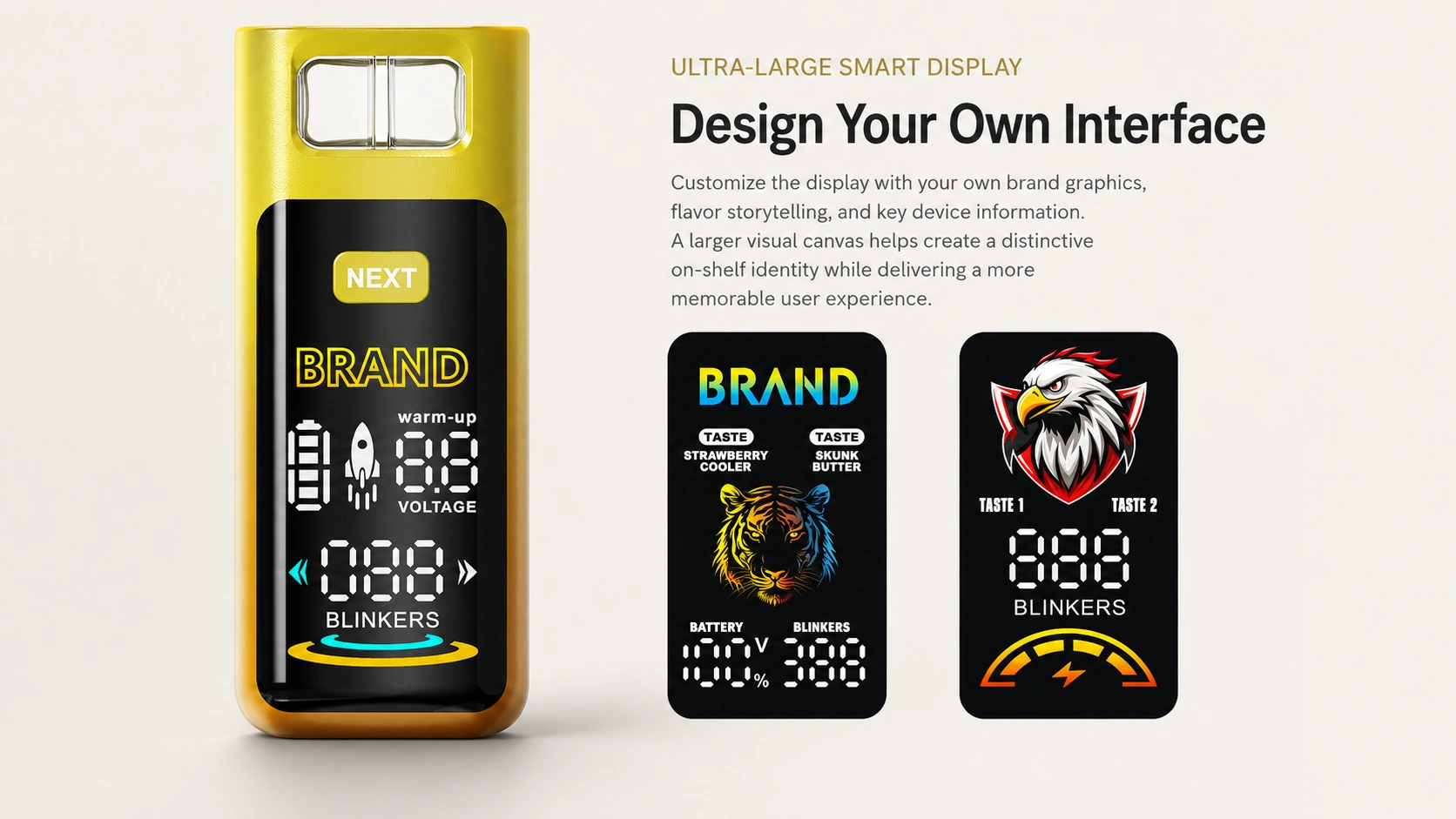
Your Brand, Built Into the Interface
Turn the display from a utility screen into part of the product identity.
- Brand IdentityCustom interface graphics can extend the brand language beyond the exterior housing.
- Product StoryUse the display direction to reinforce flavor, formulation or product-line identity.
- Device StatusKeep essential device information visible through a clean, integrated interface.
Dual Tank Architecture
One Device. More Product Possibilities.
A dual-reservoir architecture gives brands more flexibility to build differentiated product concepts within one hardware platform. Dual tank is not only about more oil volume; it is a way to shape flavor, formulation and retail identity.
Build differentiated concepts around paired flavors, strains or terpene profiles.
Confirmed program formats from the current product data.
Oil Engineering
Engineered Around the Oil
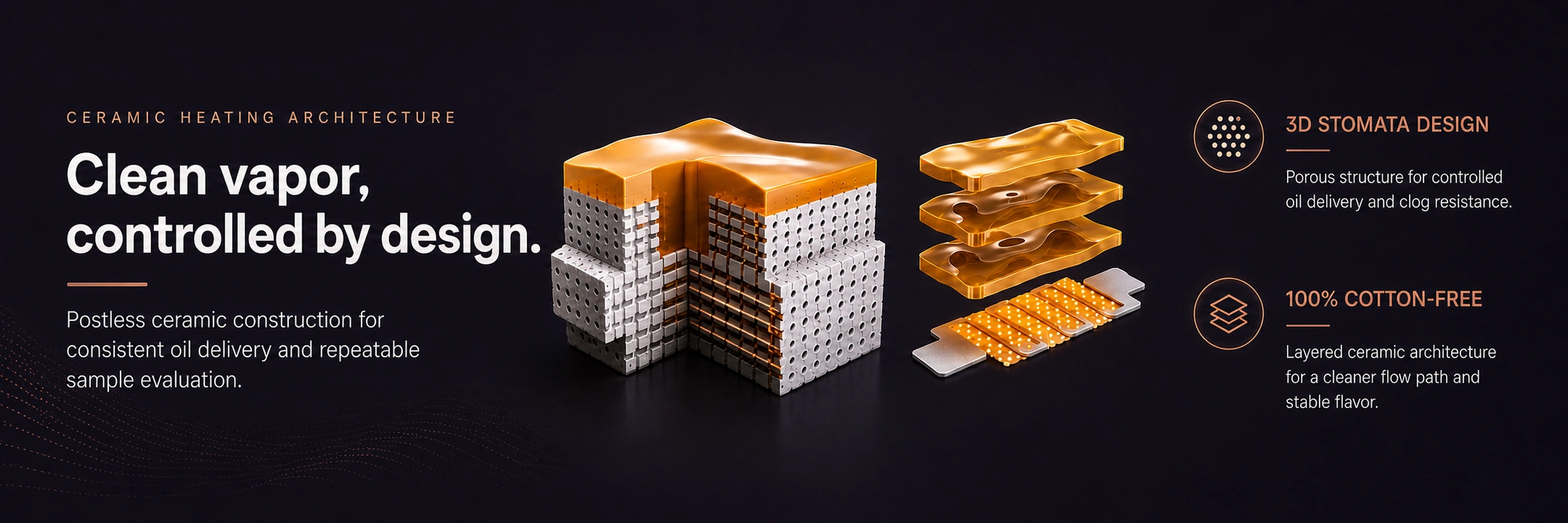
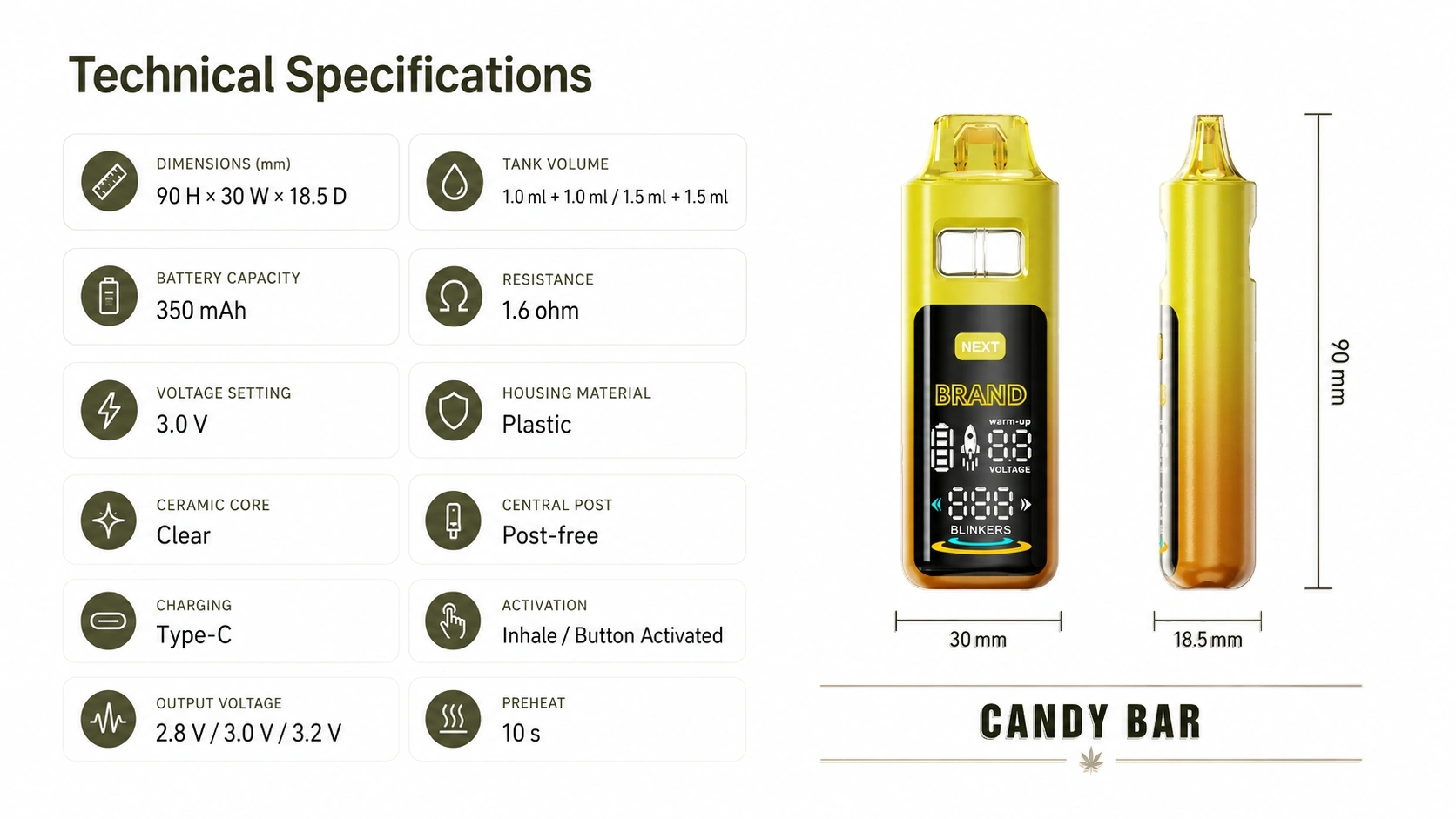
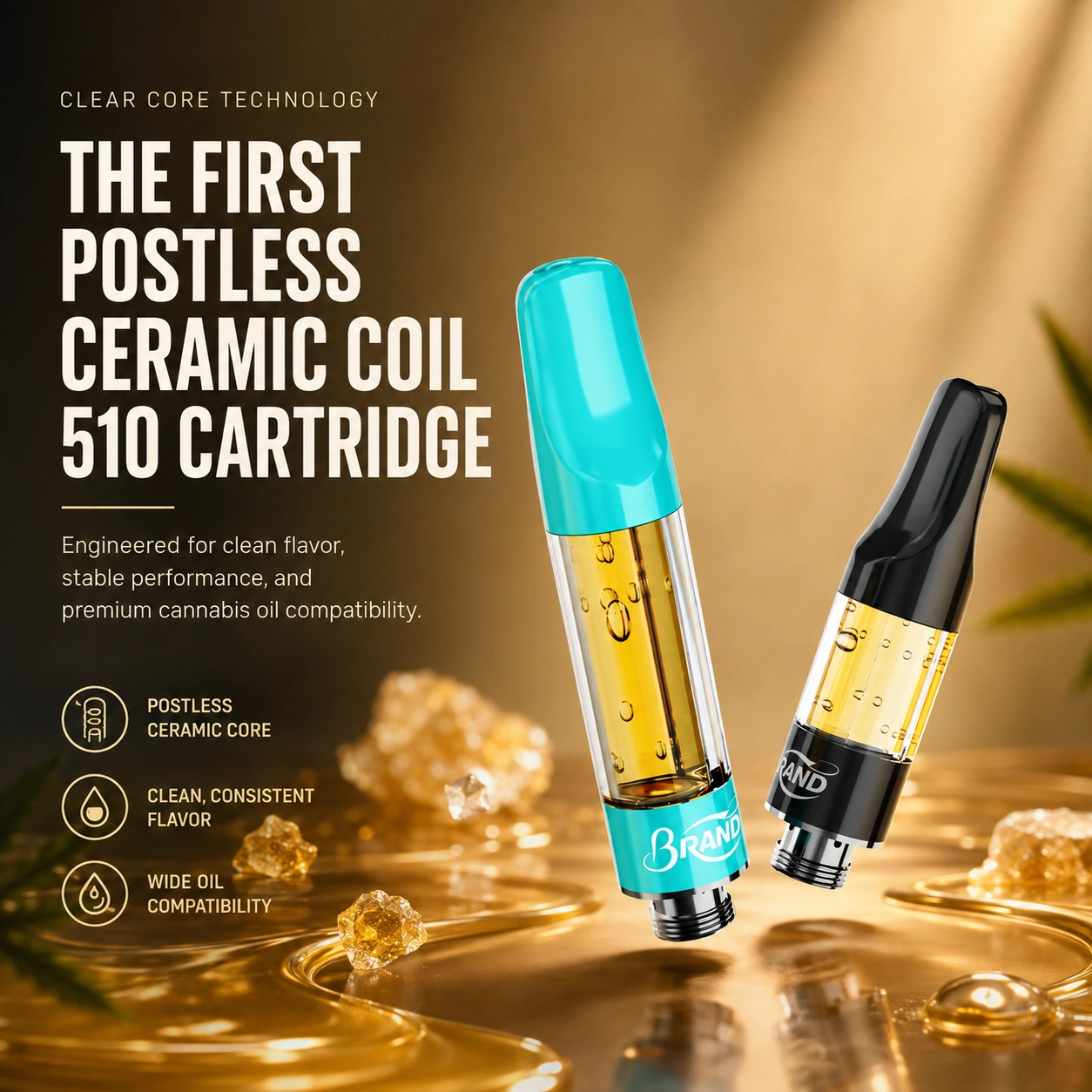
Candy Bar should be matched to the actual formulation, not approved from appearance alone. Compatibility depends on viscosity, terpene ratio, operating temperature and how each tank feeds the ceramic heating path over time.
Best treated as the baseline validation path for split-fill sample work.
Requires oil-specific review around terpene load, viscosity and feeding behavior.
Validation should be handled conservatively because natural waxes, lipids and particulates can affect wicking.
Color / Product Family
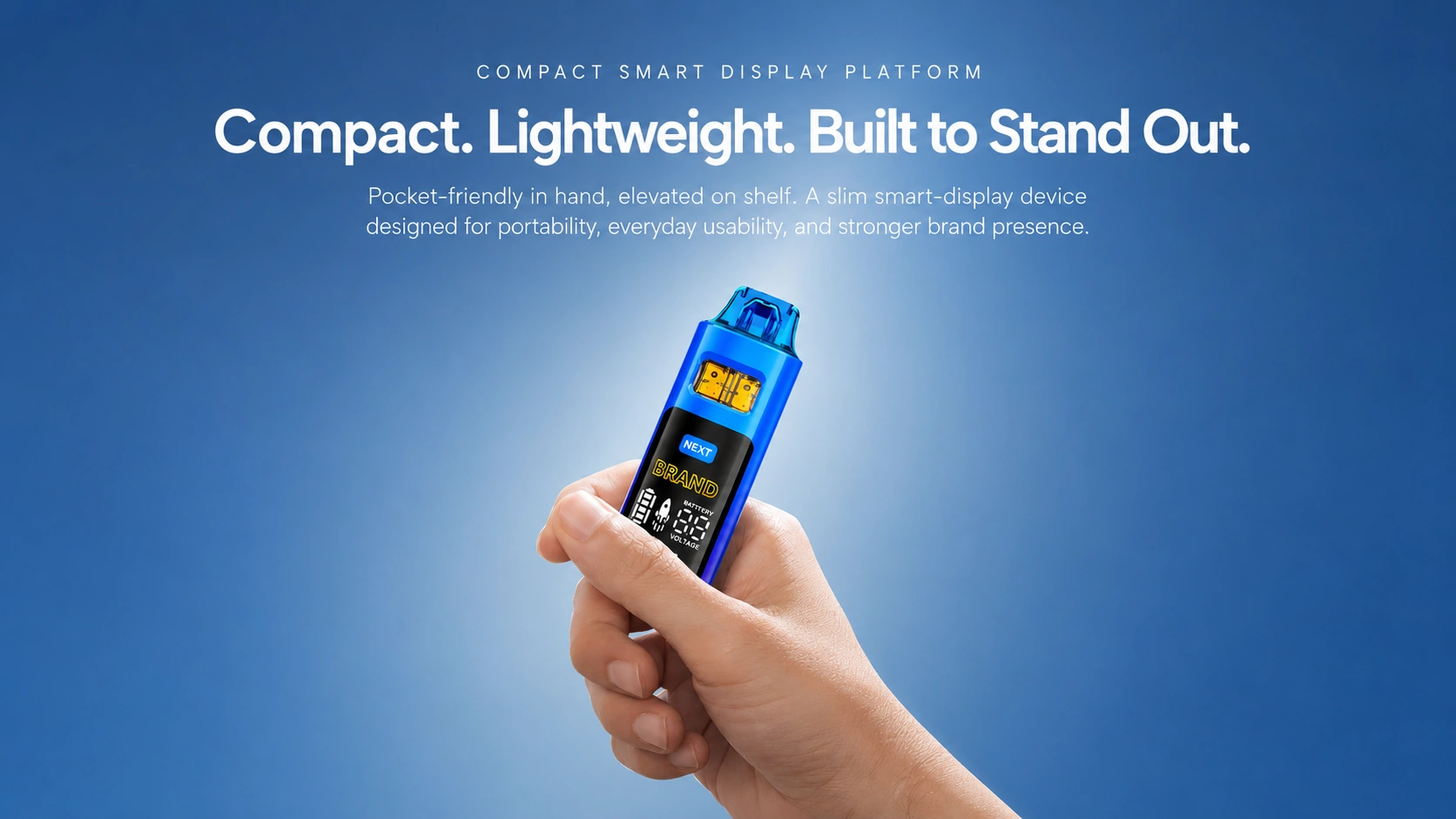
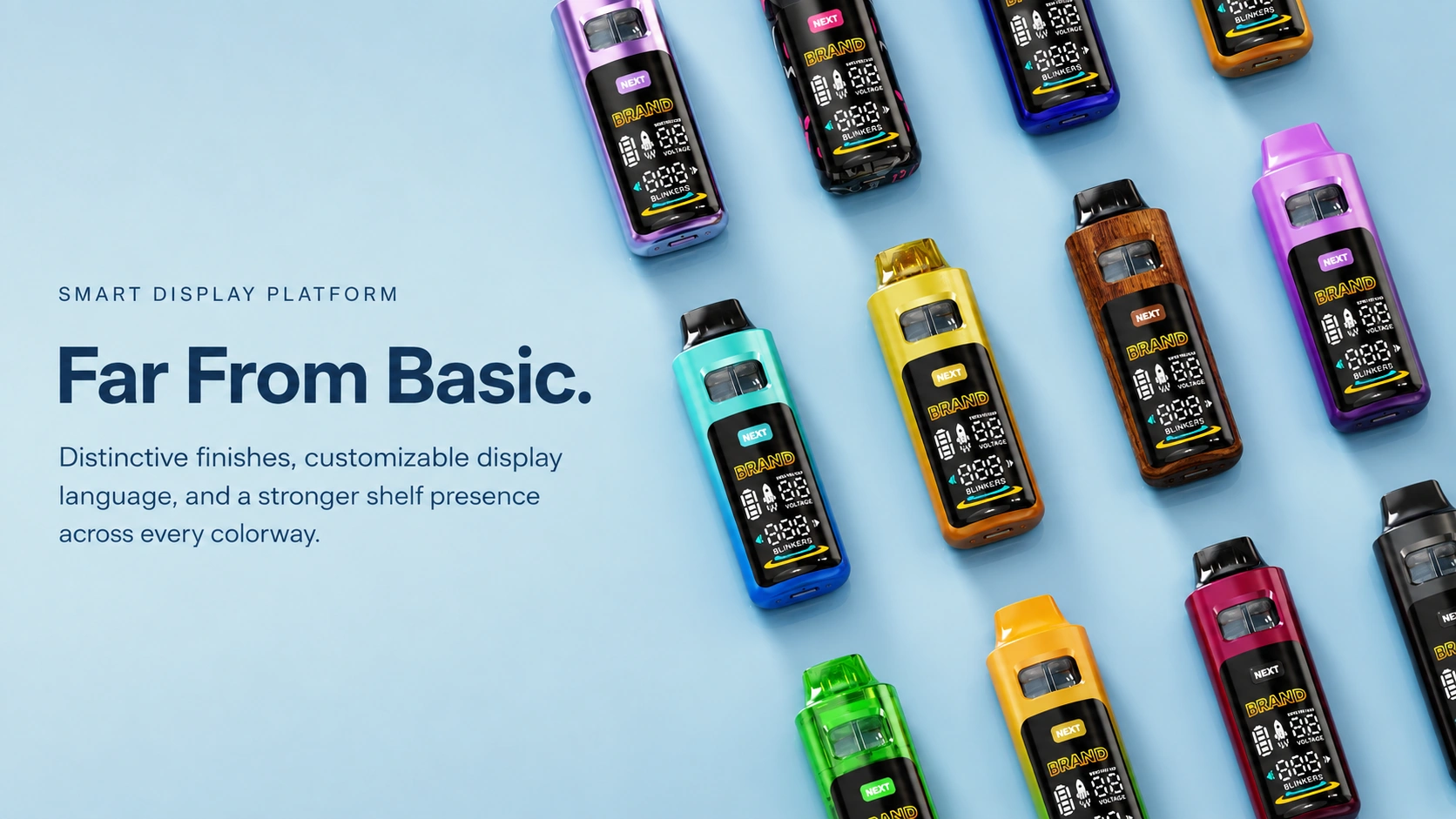
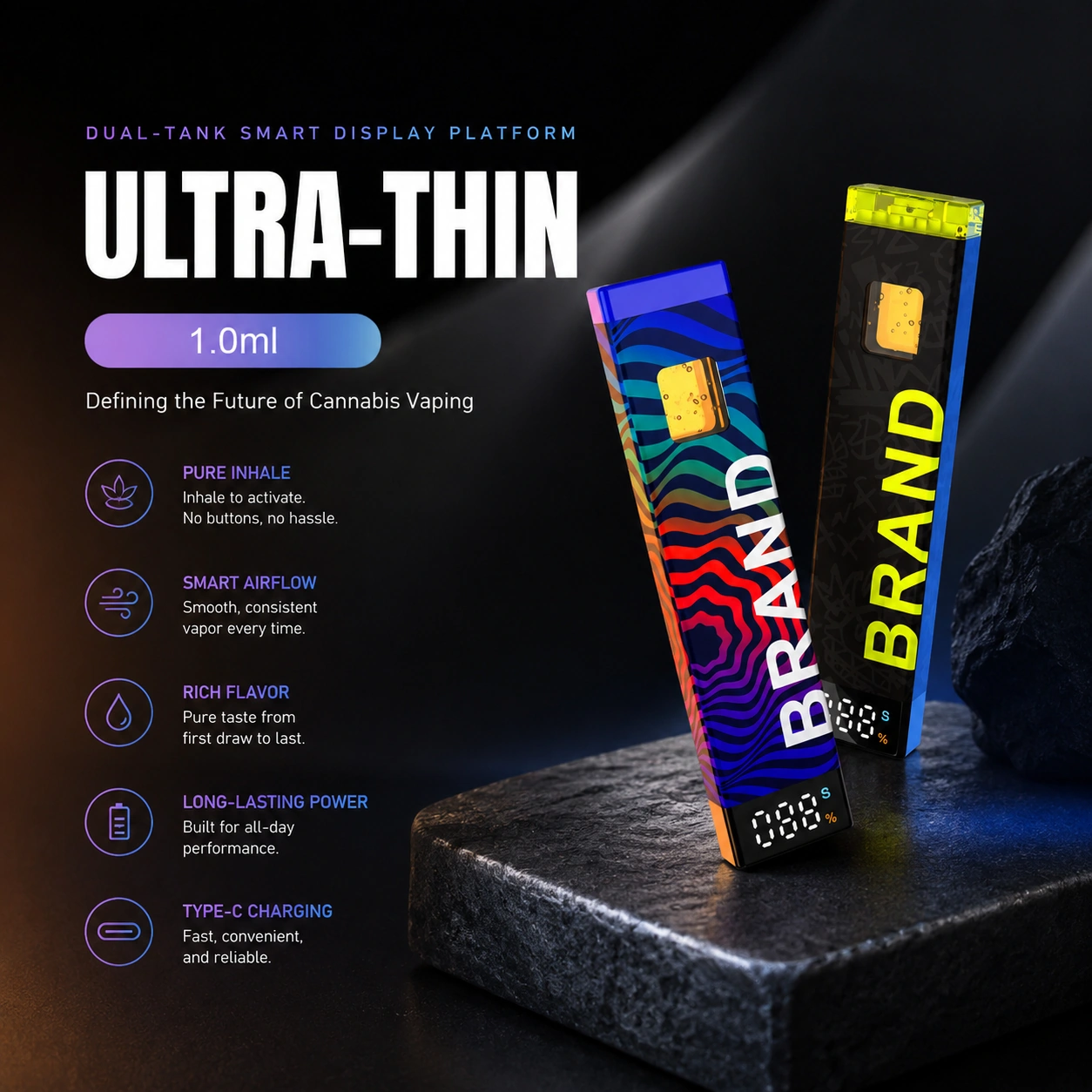
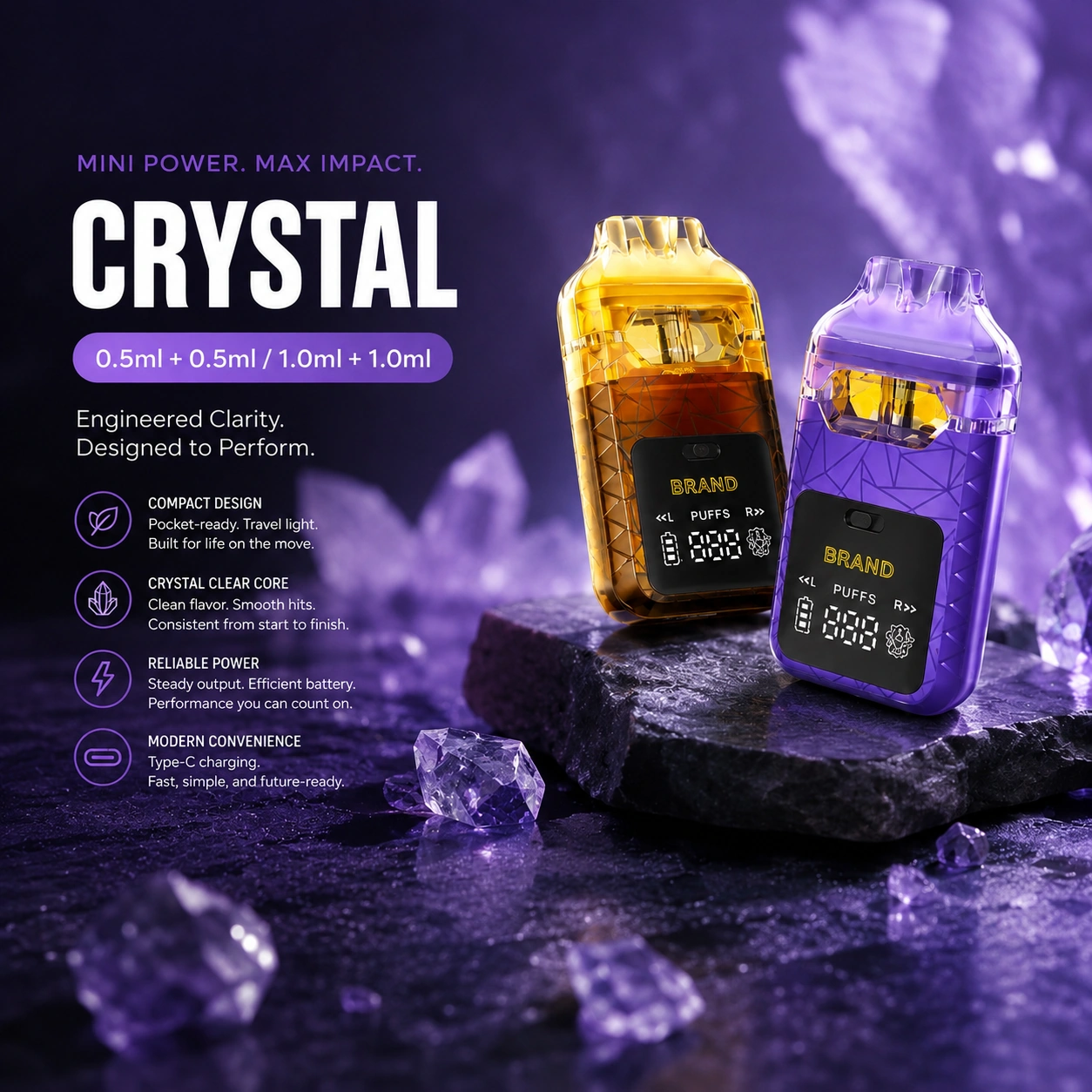
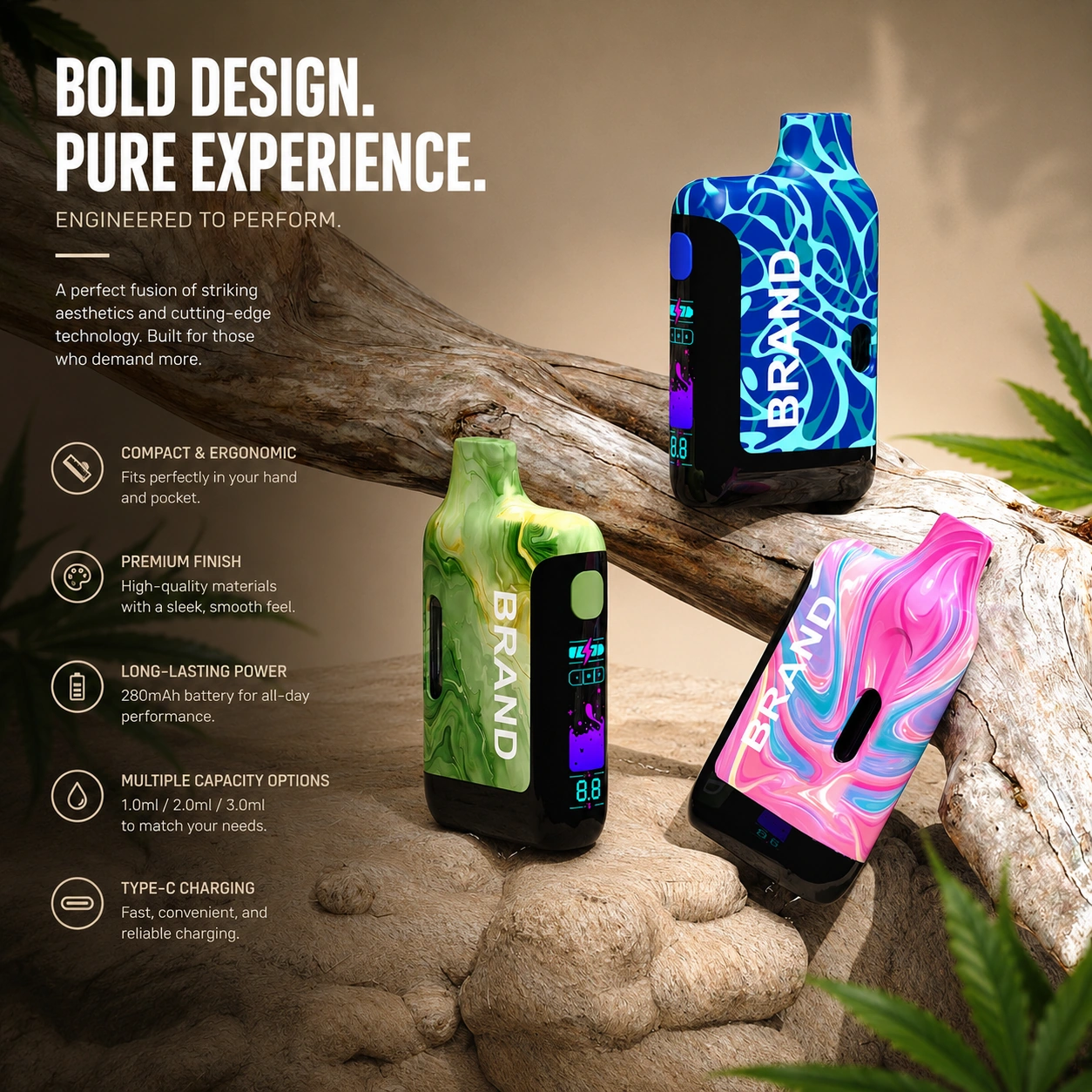
A Hardware Platform With Shelf Presence.

OEM / ODM Development
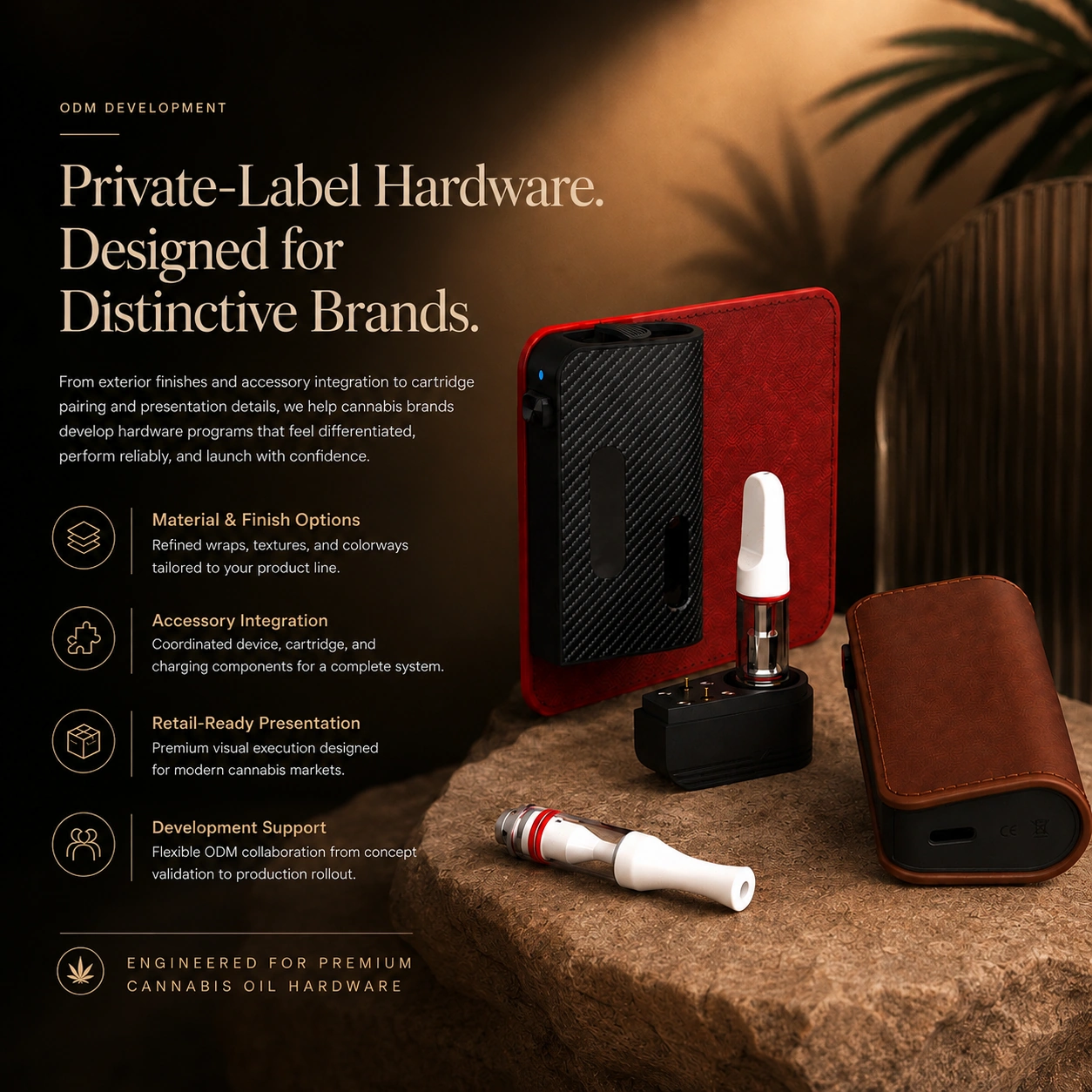
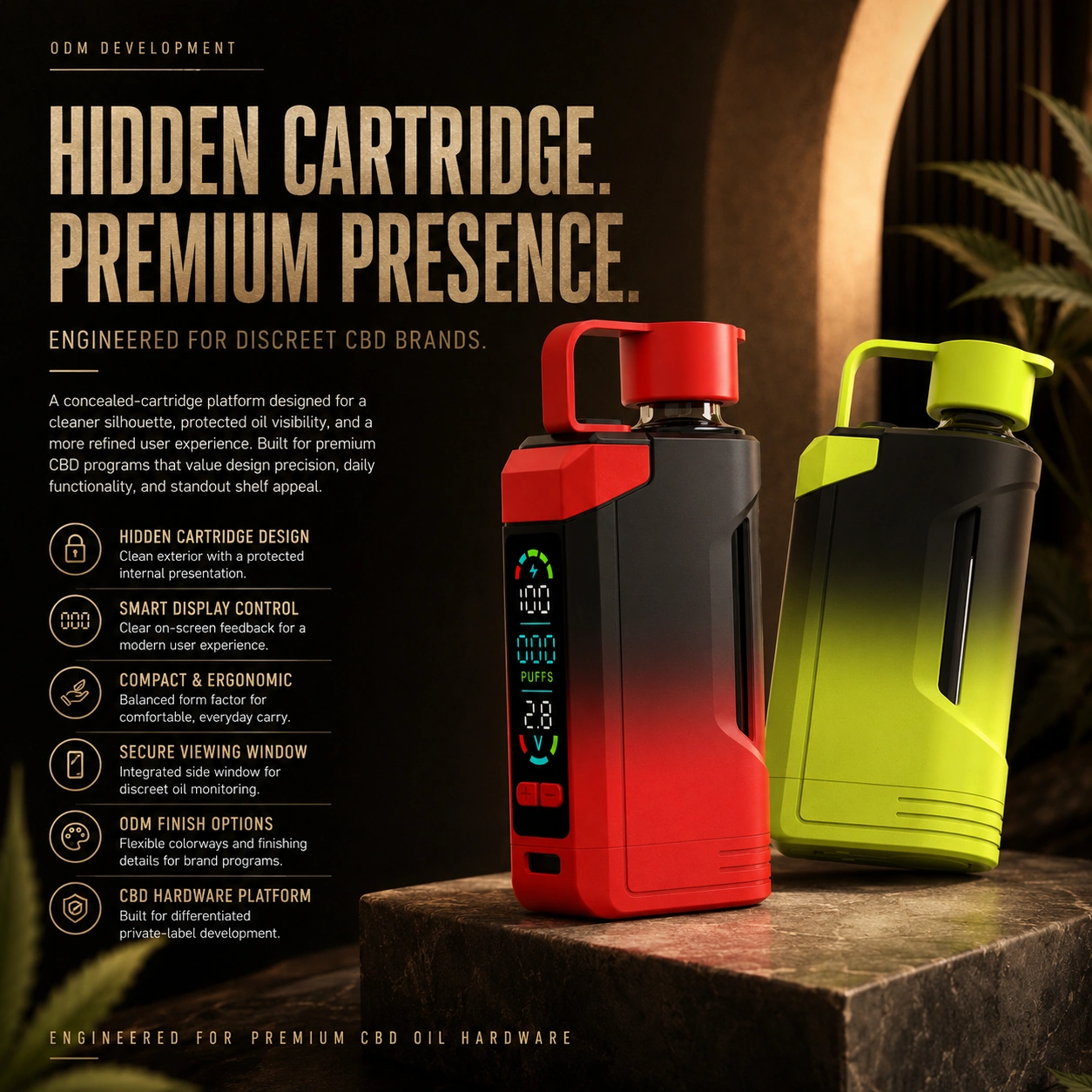
Build This Platform Around Your Brand
From housing colors and interface design to reservoir configuration and oil matching, our team can help adapt the platform to your product concept.
Product Review FAQ
Questions to settle before a dual-tank launch.
Practical review points for reservoir configuration, display direction, oil fit and OEM / ODM approval.
What do consumers usually notice first in a dual-tank disposable?
The first concerns are draw smoothness, flavor clarity, whether both tanks feel consistent, and whether the display helps without feeling gimmicky. For Candy Bar sample review, brands should test each oil path separately and together so the split-fill experience feels intentional from first draw to late-stage use.
How should brands evaluate clogging and hard-pull risk?
Reddit consumers often complain when carts need a strong pull, clog after storage or taste harsh near the end. Candy Bar should be validated with the exact oil viscosity, fill volume, storage orientation and expected puff behavior, because clog resistance depends on oil flow, ceramic saturation and activation tuning together.
Can Candy Bar support distillate, live resin or rosin programs?
Distillate is usually the easiest oil type to qualify. Live resin and rosin need tighter validation because terpene load, viscosity, waxes, lipids and natural particulates can change wicking behavior. For dual-tank builds, each formulation should be tested independently instead of assuming one oil result applies to both tanks.
Will the flavor stay stable across both chambers?
Flavor stability depends on thermal profile, oil path separation and how consistently each chamber feeds the ceramic heater. Sample evaluation should check for flavor drop-off, burnt notes, uneven vapor output and any cross-flavor perception after repeated draws.
What makes the display useful for an OEM launch?
The display should support practical brand communication such as flavor identity, battery status and simple use feedback. During approval, review screen visibility, brightness, icon clarity, battery behavior and whether the interface improves consumer confidence without distracting from the hardware experience.
What should be tested before moving Candy Bar into production?
Test leakage after storage and transport, airflow resistance, activation response, charge reliability, dual-tank consistency, late-stage flavor, oil residue behavior and decorated sample durability. These checks connect consumer review concerns with the production decisions an OEM program has to lock before scale.