
Quick Answer
Why CBD Cartridges Leak and How Hardware Design Reduces Risk explains leakage control and cartridge validation for cannabis hardware buyers, with practical validation checks for oil behavior, ceramic heating, airflow, and production approval.
Why CBD Cartridges Leak and How Hardware Design Reduces Risk should be evaluated as a hardware-system question, not as a single specification. For cannabis brands, the useful review is how leakage is usually a system result rather than one isolated part failure across the actual oil, cartridge or AIO structure, ceramic heating behavior, airflow path, and production handling.
The goal is not to claim one universal hardware answer. The goal is to find the setup that stays repeatable through filling, capping, storage, sample review, and launch planning.
Decision Summary
This draft is for cannabis hardware buyers, product teams, sourcing teams, and operators who need practical validation language before approving samples. It keeps the article focused on B2B hardware behavior: oil movement, ceramic heating, airflow, leakage, clogging, filling, battery guidance, and production readiness.
The current topic maps to the local keyword library as why CBD cartridges leak. It should stay in the ClearVape knowledge cluster, but it also overlaps with older or scheduled resources. Before final publishing, the team should decide whether this draft becomes a refreshed article, a narrower support article, or a merged update to an existing public page.
Evaluation Table
| Review Area | What To Check | Publishing Risk If Ignored | | --- | --- | --- | | Oil behavior | Viscosity range, terpene load, fill volume, and storage condition | The sample may pass once but fail after rest or shipment. | | Hardware structure | Reservoir geometry, inlet path, seal stack, and center-post layout | The issue may be blamed on oil when the structure is mismatched. | | Ceramic and heat | Ceramic saturation, resistance, voltage range, and heating surface | oil migration through air path, seal mismatch, pressure change after filling, and storage-related leakage. | | Airflow | Draw resistance, condensation path, and airway tolerance | Clogging and draw inconsistency may appear late in review. | | Production handling | Filling, capping, packaging, transit, and batch consistency | A clean prototype result may not repeat in production. |
Technical Evaluation Framework
1. Confirm the real oil profile
Start with the oil that will actually be filled. A substitute test liquid can help with mechanical checks, but it cannot prove that the cartridge, pod, or AIO platform is ready for a cannabis oil program. Document viscosity behavior, fill volume, storage condition, and expected battery guidance before judging hardware.
2. Map oil movement to ceramic heating
Oil delivery and heat demand have to stay balanced. If oil reaches the heating area too slowly, the device can show dry heating or uneven draw response. If oil reaches the chamber too aggressively, leakage or flooding can become the next problem. The review should connect inlet design, ceramic saturation, power behavior, and airflow instead of isolating one part.
3. Test after rest, not only immediately after filling
Many hardware problems appear after a filled unit has rested. Storage orientation, temperature change, and partial-use conditions can all reveal different behavior. A good sample review includes fresh units, rested units, and partially used units from the same sample batch.
4. Separate visible symptoms from root causes
A buyer may see clogging, leakage, weak vapor, harsh late draws, or inconsistent samples. Those symptoms do not always identify the root cause. The team should review oil path, seals, ceramic structure, battery output, airflow, filling process, and storage record before approving a fix.
Production Validation Checklist
- Seal fit. - Capping pressure. - Upright and inverted storage. - Temperature shift. - Fill volume tolerance. - Transit handling. - Filling and capping behavior with the intended process. - Leakage after upright, side, and inverted storage where relevant. - Clogging after overnight and multi-day rest periods. - Draw response across first, middle, and late-use conditions. - Sample consistency across multiple units. - Notes on every hardware change between sample rounds.
Internal Link Path
- /platform/510-vape-cartridges - /products-overview - /sample-request - /knowledge/articles/why-cbd-cartridges-leak-and-how-hardware-design-prevents-it - /knowledge/articles/510-vape-cartridge-hardware-selection-guide
FAQ
What should a cannabis brand check first for this topic?
Start with the actual oil and the intended hardware format. Then review how oil movement, ceramic heating, airflow, seal design, and battery behavior work together under realistic storage and sample-use conditions.
Should the team rely only on a specification sheet?
No. A specification sheet helps narrow the review, but filled-sample behavior is what shows whether the hardware is ready. The team should test multiple units after filling, after rest, and after repeated use.
Why do similar oils behave differently in different hardware?
The same oil can move differently when inlet geometry, ceramic structure, tank volume, air path, resistance, and battery output change. That is why hardware selection should be based on an oil-fit review rather than a generic format choice.
When should this become a production approval topic?
It should become a production approval topic before final sample sign-off. If the issue affects leakage, clogging, heat response, or repeatability, it should be documented before mass production planning.
Schema Notes
Use Article schema for the final article page. FAQPage schema may be used only if the published CMS template renders visible FAQ markup that matches the article text. Do not use Product, Review, rating, price, or aggregate performance schema for this educational draft.
Any future GSC, Ads, or analytics metrics must come from an approved data source. Until then, search volume, CPC, impressions, clicks, CTR, and average position should remain unknown or unavailable.
CTA
Request leakage test plan with the real oil type, fill volume, hardware format, sample history, and launch requirements.
Compliance Notes
- Keep the article in B2B cannabis vape hardware evaluation language. - Do not add clinical outcome claims, consumption-effect language, home formulation guidance, consumer purchase prompts, or unsupported absolute claims. - Do not invent search volume, CPC, impressions, clicks, CTR, average position, or conversion metrics. - Keep the draft unpublished until human scheduling or publishing approval is recorded.
Media ALT/Caption/Classification
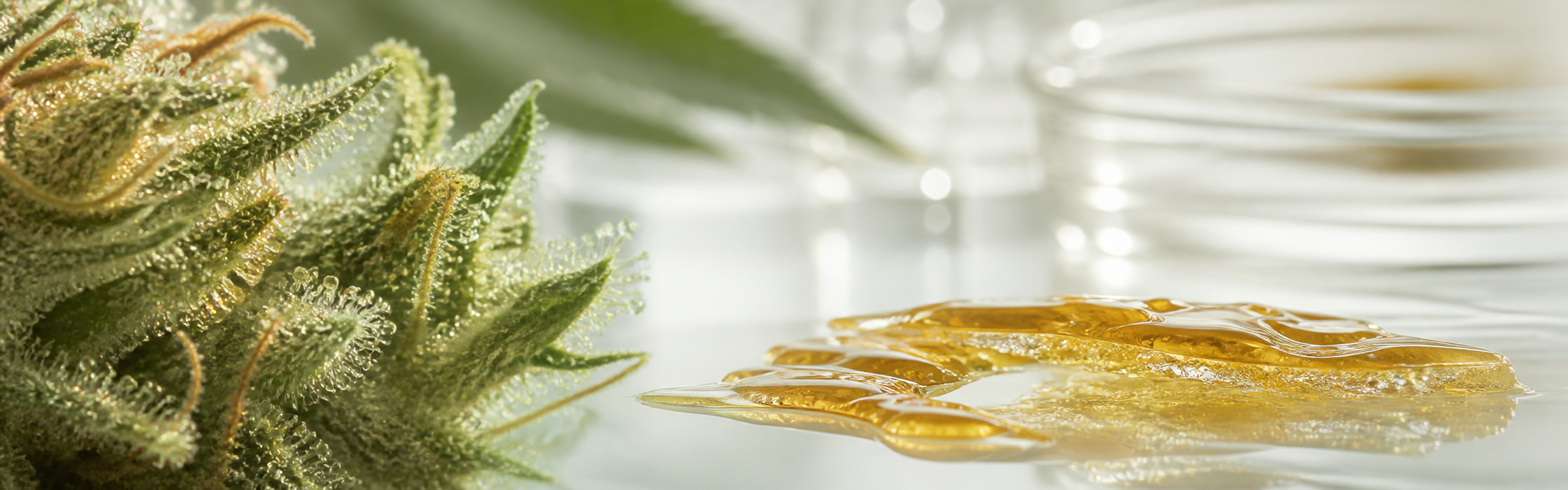
- Media ALT: Cannabis vape hardware and oil compatibility reference for B2B sample validation. - Media caption: Hardware behavior should be reviewed around oil movement, ceramic heating, airflow, leakage, clogging, and production handling before approval. - Article type: B2B leakage validation - Oil type: CBD oil, distillate, blended cannabis oils - Technology type: Seal design, inlet geometry, reservoir pressure, filling process, 510 cartridge hardware
Source Keyword Rows
- Primary keyword: why CBD cartridges leak - Secondary keywords: vape cartridge leakage; leak resistant vape cartridge; CBD cartridge hardware - Search intent: problem_solution - Buyer stage: evaluation - Topic cluster: leakage control and cartridge validation - Data source: local keyword library and existing CMS topic inventory - Metrics confidence: source_observed_metrics_unknown - Metrics: unknown